Note: This article was written and reported in 2021, and was originally going to be published in Vox. In October 2024 it became free of Google Drive’s shackles via Medium.
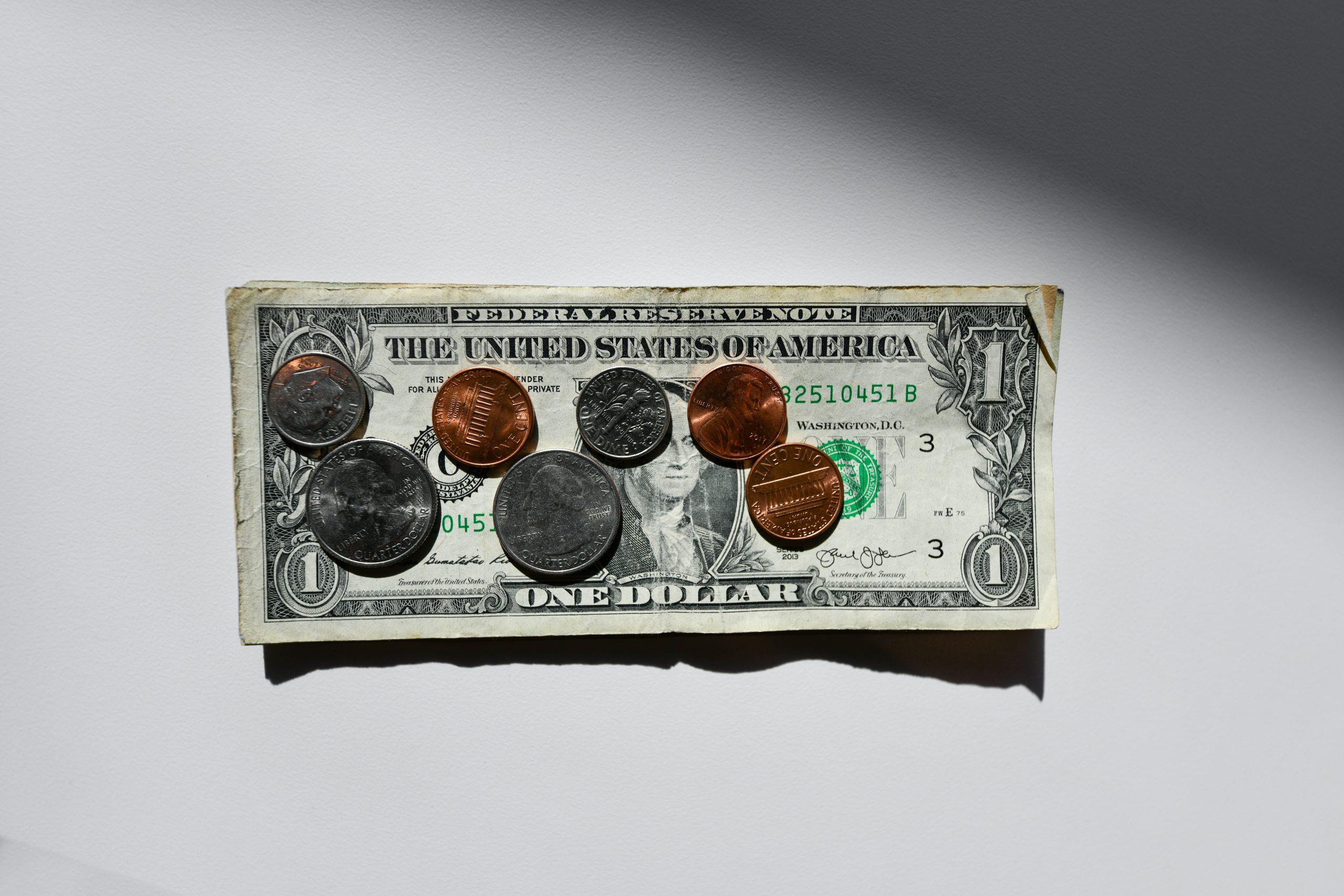
$90. That’s how much money I received from family and friends on my 10th birthday. In the summer of 2003, that meant a $45 Simpson’s game from GameStop and making it rain at the Scholastic book fair. Now, almost 18 years later, $90 accounts for 10.2% of my Social Security Income (SSI) payment and is put toward electricity and WIFI expenses.
In 2021, the maximum SSI payment anyone can receive is $794, but those residing in states with supplemental programs receive additional funds. New York is one of those states, so as a New Yorker on SSI and SSP, my monthly payment is $881.
If your eyes have widened, wondering how anyone can live off that, don’t worry; you are not alone. SSI recipients all over the nation share your sentiments. The answer is most of us don’t — we find ways to survive and know how to stretch a dollar farther than Julius from Everybody Hates Chris ever could.
But SSI recipients risk losing their benefits if they accumulate more than $2,000 in assets, so they don’t do much saving either. Yet, many of them have been able to do exactly that, thanks to the inclusion of SSI and SSDI recipients in stimulus check distribution.
This inclusion also allowed many recipients to spend more money than working to supplement their SSI ever could. Unless participating in PASS or Ticket To Work programs, SSI recipients who work must report their earnings and are subject to reductions in their SSI payment amount.
For example, if I make $600 in a month, my SSI payment received two months after would be reduced to 525.50. The pandemic has demonstrated how quickly $600 can disappear, so accounting for it nearly two months later leaves many in despair and deterred from working at all.
With all of this in mind, I was eager to learn how the stimulus payments have given SSI recipients a taste of financial freedom. By specifically focusing on their spending, how they navigated saving, and the impact of the stimulus payments on their autonomy.
For SSI and SSDI recipient Jermaine Greaves of New York, 2020 was the antithesis of his viral AFROPUNK clip as he dealt with eviction threats and looming tuition fees.
“I was having a real challenging time with paying rent because I was only getting $257 from SSI $435 from SSDI and being on unemployment, you’re not making a lot, and you’re just trying to work with that money it was really hard,” says Greaves. He described the stimulus payments as a cushion that allowed him to pay his rent and go back to school.
When asked if the stimulus payments taught him anything, he said, “The money that they’re giving us is truly not enough to sustain ourselves, and now I know if the government really wanted to assist people, they can. This notion that they can’t assist disabled people in a way is now debunked because now we have stimulus money, we have things we didn’t have before,” said Greaves who founded the Black Disabled Lives Matter movement in New York during lockdown.
Greaves’ lesson not only applies to stimulus support but to the widespread accommodations made to enable people to work and go to school from home — accommodations that people with disabilities have been fighting for for years.
Due to his hardships, Greaves didn’t purchase much. But he was able to get back on track financially thanks to the stimulus checks and a GoFundMe page that helped him avoid eviction (although this moratorium impeding evictions during the pandemic should have helped as well,) and return to school to finish his degree in theatre.
Greaves wasn’t the only SSI recipient with school on the brain. Kiana Gomillion of New York City spent a portion of her stimulus check funds to enroll in a music industry certification program offered by the Clive Davis Institute of Recorded Music at NYU. Gomillion has always dreamed of having a career in songwriting and music production and sees this certification as a step closer to this dream becoming a reality.
Without the stimulus funds and a scholarship award, she would have had to pay $1,000 to enroll, which is $180 more than her SSI monthly payment if paid in full. Even with monthly and quarterly payment plans available, she would have had to part with 10 to 30% of her income to enroll. Fortunately, she didn’t and is hopeful that this certification will finally get her somewhere as this isn’t her first attempt at breaking into the industry.
“I remember being 19 and going to Bad Boy Records when it was across the street from TRL. My best friend and I, rest his soul…we went down there with our resumes in hand. And the guy wouldn’t even let us in; he gave us business cards. We went home and faxed our resumes, and no one answered,” said Gomillion over Zoom.
Over the years, she has applied to numerous other record labels with no luck. So when she noticed that graduates of this program are employees at record labels like Atlantic, she was intrigued.
Although she remains optimistic, Gomillion acknowledges that her disability may negatively affect her search for employment despite equal opportunity employment regulations. Despite these concerns, the pandemic has made the importance of autonomy, employment, and financial literacy especially clear to her.
Life’s fragility and the stimulus payments prompted her to open a savings account and build her credit. “If something happens to the person that I’m currently staying with, I have to be able to take care of me,” says Gomillion. And for her, that means doing what she loves, having money for a rainy day, and living independently.
Gomillion shared her worries about ending up in a group or nursing home if she leaves or God forbid something happens to her caregiver. She spent a portion of 2020 in a nursing home recovering from knee surgery, so these worries are ever-present. However, she has taken steps to ensure that doesn’t happen, like applying for public housing through NYCHA.
As Gomillion and many others search for accessible and affordable housing, Rick Spector of Delray Beach, Florida, is giving food insecurity a whole new meaning with his stimulus spending story. Spector, an SSDI recipient, is using his stimulus check toward a dental implant surgery that would enable him to eat more easily.
Spector has Gastroparesis (a condition involving the improper emptying of the stomach) he obtained after having his esophagus and parts of stomach removed due to complications with Esophageal cancer. The dental implant will allow him to chew his food better and no longer rely on protein shakes and supplements as his main source of nutrients. Spector has to use his funds because a dental implant is seen as a cosmetic expense to insurance companies.
Even though Spector is a SSDI recipient and has no cap on how much he can save, his payment (which is determined by one’s working history) goes directly to rent and other health-related expenses, which is why the dental procedure was out of the question. Now that it’s possible, Spector is excited about enjoying food again and the occasional restaurant visit. He is most grateful to be alive and said he would have used the funds to help those within the queer community if he could.
Supporting the community is also important to SSI recipient and social worker Kathleen Downes of New York, who used a portion of her stimulus payments toward a new computer and pet insurance, and depositing the rest into her ABLE account.
ABLE accounts are 529a savings accounts that allow eligible people with disabilities to save money without impacting their SSI or Medicaid benefits. These accounts came to be as part of the Achieve Better Life Experience Act of 2014. Despite their availability, many choose not to open these accounts because the funds saved can only be used toward disability-related expenses and proving such can feel akin to an IRS audit.
“I have mixed feelings about them as well, because there’s still a lot of rules and inflexibility compared to what non-disabled people are allowed to do with their money. But I still think that it’s a good tool. And it’s better than having no ability to save it all. And I was happy about being able to put some of the stimulus checks away to save up for something in the future,” said Downes about the accounts.
“I think what is revealing about the whole stimulus check situation is all this stuff all over the news with people saying that $1400 is not enough to live on, it’s barely enough to live on. And I think people are missing the irony that disabled people are expected to live on much less than that on a regular basis,” said Downes about SSI and sustainability.
In her book Disability Rights and the American Social Safety Net, University of Richmond’s Political Science chair Jennifer Erkulwater takes time to explore another irony: the framing of people with disabilities as deserving while not giving them what they deserve.
“The political discourse is all about how people with disabilities’ Oh, of course, they’re deserving.’ But if you look at their poverty rate, the unemployment rates, access to health care, even to simple things like a bank account, the situation is so much worse for people with disabilities than people without so I’m not sure that this deservingness is getting them very far,” said Erkulwater over the phone.
In fact, SSI recipients receiving the full $794 a month are living $3,352 below the national poverty line. While living below the poverty line is hard for anyone, SSI recipients do so while dealing with high-priced disability-related products and services. Shoe lifts, seat cushion covers, and gloves are a few of these items for Downes.
Problems like this are nothing new, but the pandemic has brought them to the forefront, most notably to the floor of Congress. In April, members of Congress asked the Biden administration to consider including expansions to the SSI program in the American Families Plan. Unfortunately, they weren’t. But with the reintroduction of the SSI Restoration Act in June, there is still hope.
Some highlights of act are:
Raising benefit levels above the poverty line
Increasing the SSI asset limit and account for inflation going forward
Updating income exclusions
Eliminating marriage penalty and in-kind support rules
This video seeking support for the bill by TikTok user Rachel Gross has gained traction since posting it on July 2nd (the second day of Disability Pride Month.) If passed, this would be the biggest update to the program since 1972. Though social media may not directly impact the Congress floor, media like Gross’ helps inform others and assists them in championing the cause.
But as with anything else, the SSI Restoration Act of 2021 isn’t perfect as it makes no mention of the overpayment process for SSI recipients. Although the proposed changes would make overpayment claims less likely, re-examining this process is essential.
According to the SSA, an overpayment occurs when Social Security pays a recipient more than they should have been paid. When this happens, the overpaid person will be asked to pay back the overpaid amount and can request reconsideration of the overpayment claim, an overpayment waiver, or alternative payment options. Safeguards like these are beneficial, but quicker overpayment notification would be even more valuable.
Presently, it can take months to years to be notified of an overpayment. As a Co-Chair of the Social Security Task Force at the Consortium of Citizens with Disabilities (CCD), Stacy Cloyd knows this all too well. That is why the task force is fighting for pandemic-period overpayment claims to be waived and processed automatically.
“One thing that we’re working on is making sure that the Social Security Administration doesn’t consider people overpaid, unless they really are. For example, if they see somebody who has more than the $2,000 asset limit, they need to make sure that the reason for that is not that somebody is holding on to a stimulus payment during that year they’re allowed to,” said Cloyd. Cloyd’s example is a real fear for SSI recipients with many of them choosing not to run the risk by quickly spending most, if not all, of their stimulus funds.
In Stephanie De Luna’s case, a portion of her stimulus went toward properly fitting clothes and shoes, which is a welcome change of pace as she previously relied on hand-me-downs and thrift finds. “Just having clothes and shoes and are comfortable [can] really change a person mentally,” said De Luna.
SSDI recipient Phoenix Victor Campell of Hillside County, Florida describes the stimulus payments as a saving grace that helped her secure better housing and the rare experience of eating out.
Other SSI recipients were able pay for equipment repairs, purchase a car, or even be part of wedding parties. Ultimately, the stimulus checks have allowed SSI recipients like me to see what we can do with more.To continue seeing what I can do with more, I decided to start freelance writing consistently.
Unfortunately, my Cerebral Palsy had other plans so my journey to financial freedom is on pause. But I am hopeful my fellow SSI recipients (new and old) will continue on their own journeys.